Best of Minneapolis-St. Paul
A riverfront, a chain of city lakes, a state capital and the country's best-known mall.
See things to do »The Twin Cities at a Glance
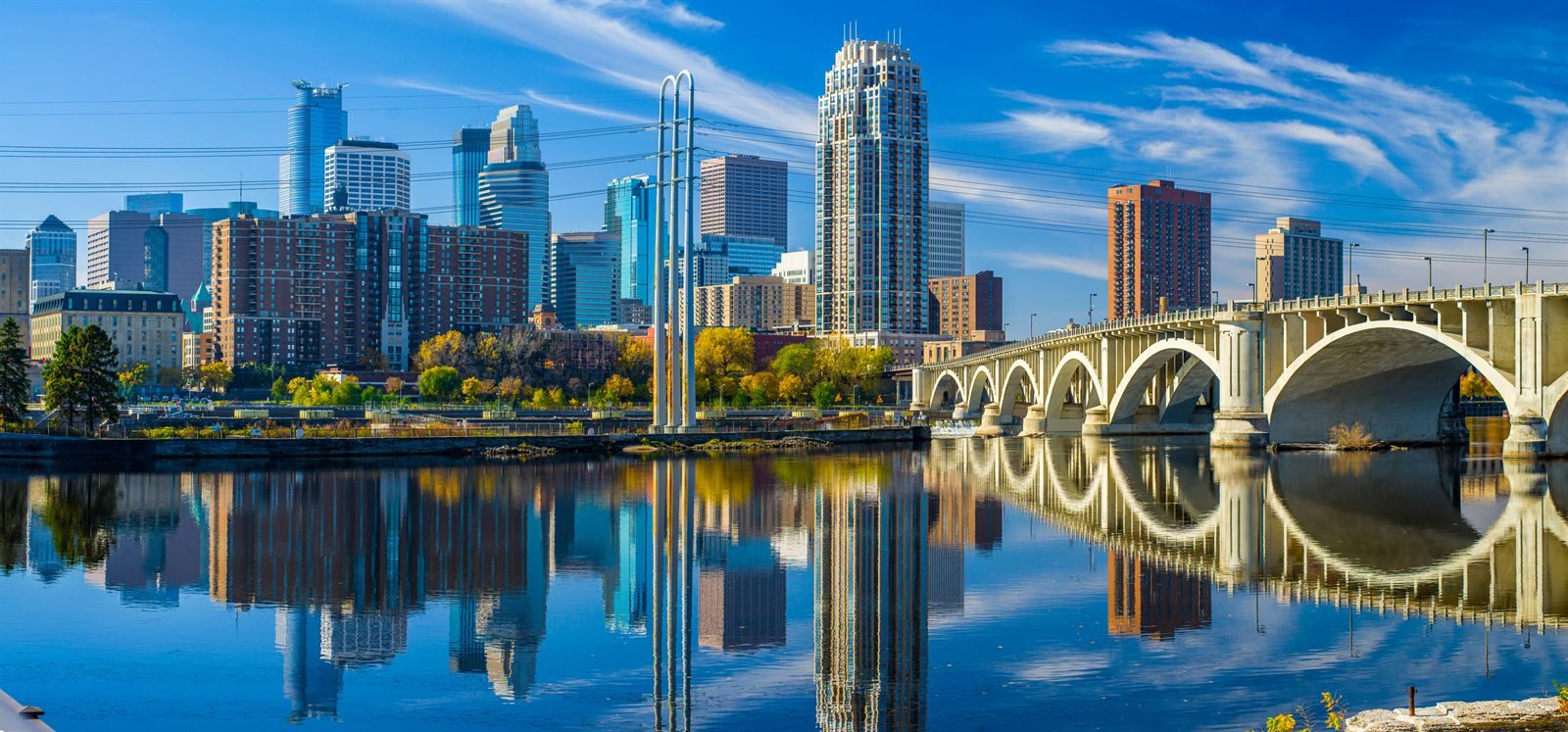
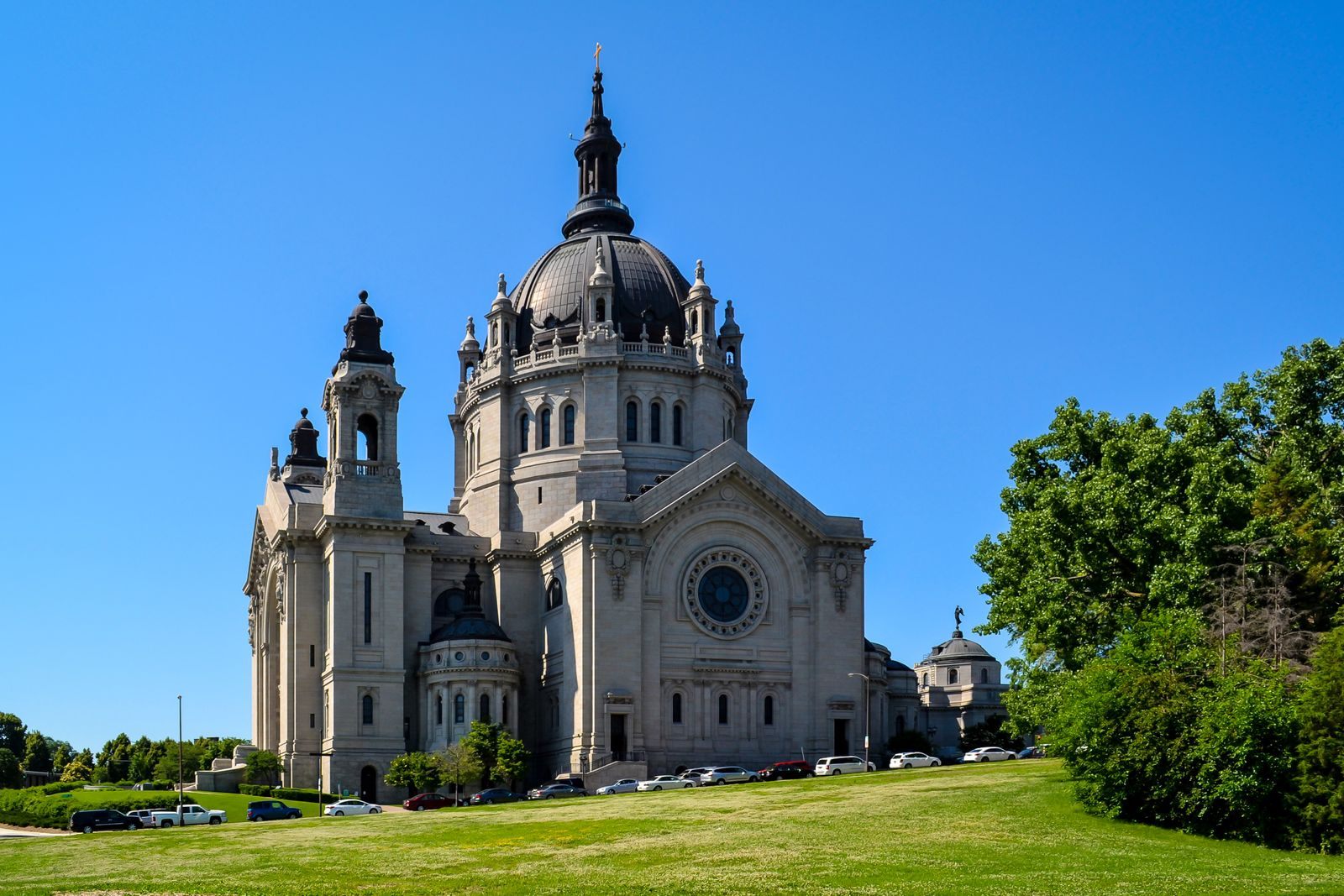
Minneapolis and St. Paul grew up a few miles apart on the Mississippi River, and they still have different personalities. Minneapolis, the larger of the two, was built on flour milling at St. Anthony Falls and has the taller skyline, the bigger arts institutions and a long string of lakes inside the city limits. St. Paul, the state capital, began as a river landing downstream and kept more of its 19th-century look: a domed capitol, a cathedral on a hill, Victorian mansions along Summit Avenue and a compact downtown around Rice Park. Locals will tell you which one they prefer, but visitors get the most out of a trip by seeing both. Together with their suburbs they form a metro area of more than three million people, with professional teams in every major sport, a busy theater district on Hennepin Avenue and a long tradition of live music.
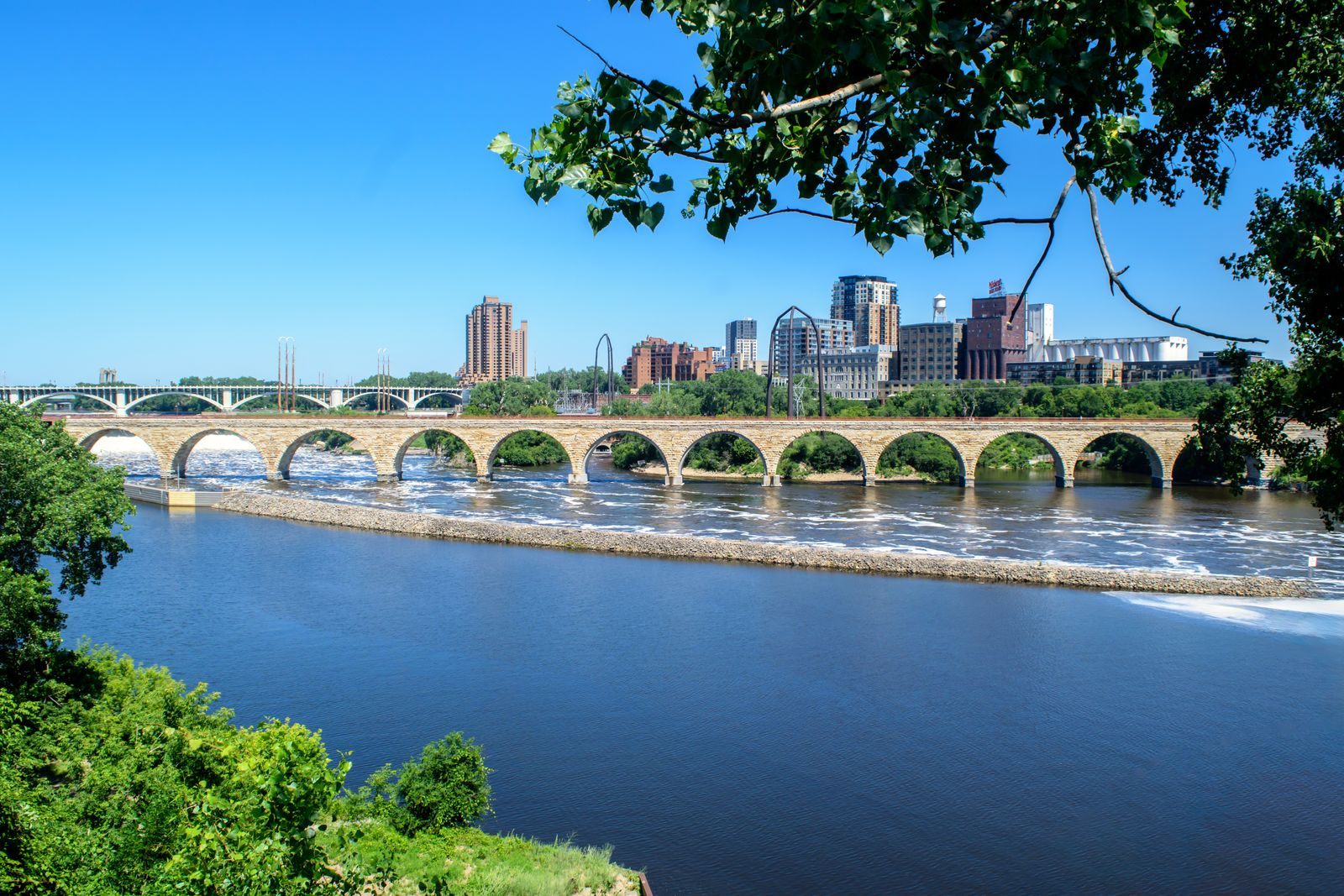
The Mississippi ties them together. In Minneapolis, the old milling district beside St. Anthony Falls has become a riverfront of parks, trails and museums, with the stone arches of a former railroad bridge now carrying walkers and cyclists across the river. In St. Paul, riverboats leave from Harriet Island, opposite downtown, and the bluffs above the river are lined with parks. A paved trail system lets you ride or walk long stretches of both banks.
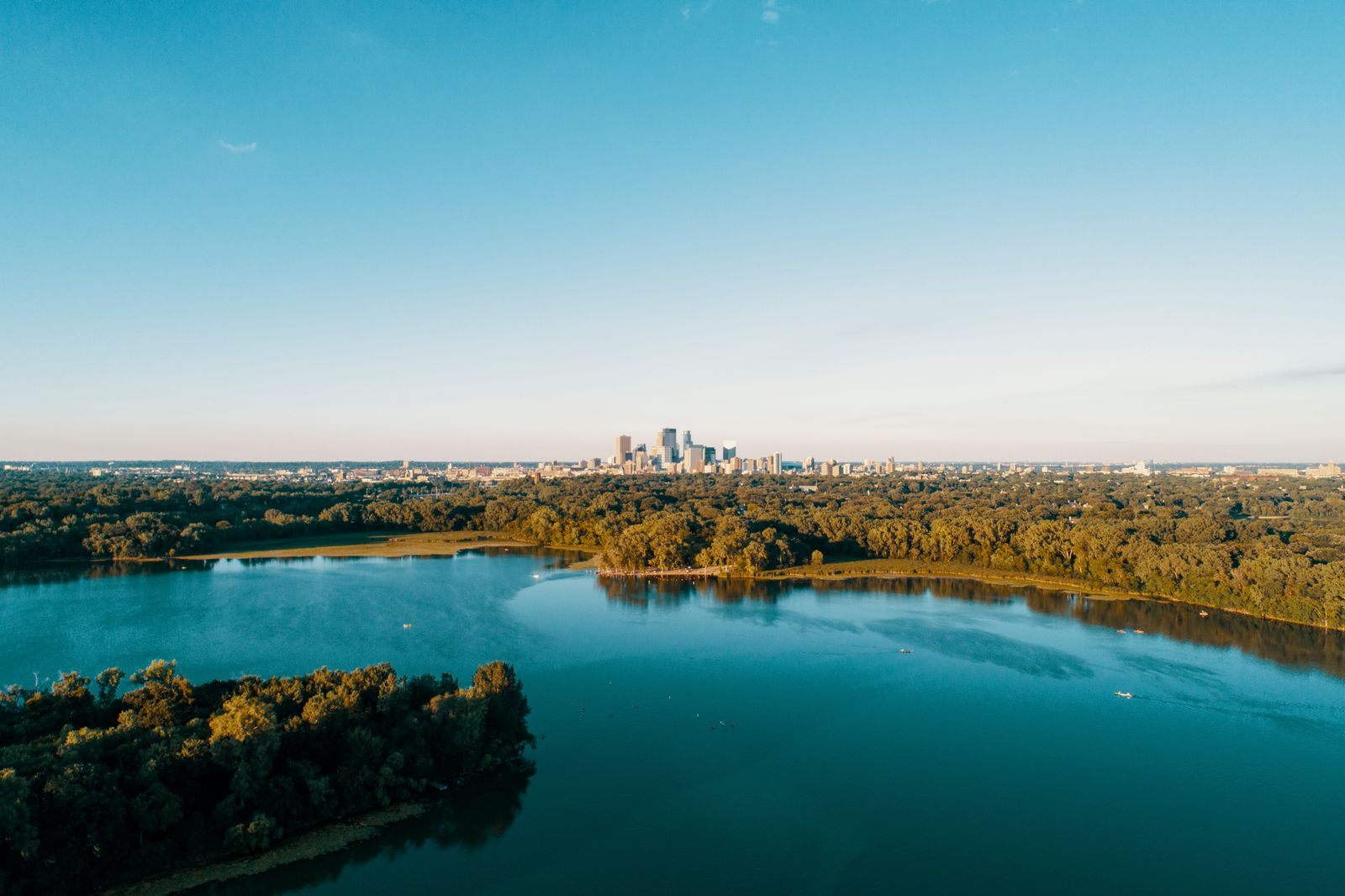
Parks are the other thread. Minneapolis set aside its lakes and creek valleys for public use more than a century ago, and the result is the Grand Rounds, a loop of parkways and paths that links the Chain of Lakes, Minnehaha Falls and the river. On a summer evening, the paths around Bde Maka Ska and Lake Harriet are as busy as any downtown sidewalk. In winter, the same lakes host skating, cross-country skiing and ice fishing, and downtown Minneapolis is connected by an enclosed skyway system that lets you cross dozens of blocks without going outside.
South of the cities, Bloomington is home to Mall of America, with an indoor theme park, an aquarium and hundreds of stores under one roof, close to Minneapolis-St. Paul International Airport. The METRO Blue Line light rail connects the mall and the airport with downtown Minneapolis, and the Green Line links the two downtowns, so a car is optional for a city-focused visit.
This guide splits the area into four parts, each with places worth your time and bookable tours, along with a dining guide and a calendar of the festivals that come back every year. Summer and early fall are the most popular times to visit; winters are long and cold, but they bring the St. Paul Winter Carnival and plenty of indoor culture.
Explore Minneapolis-St. Paul by Area

Top-Rated Things to Do in Minneapolis-St. Paul
 Viator
 Viator
 Viator
 Viator
 Viator
 Viator
 Viator
 Viator
Tours, tickets, prices and reviews from Viator (a Tripadvisor company) and Tiqets — prices are per person, from, and were checked November 8, 2026. Best of Minneapolis-St. Paul may earn a commission when you book, at no extra cost to you.
Where to Eat in Minneapolis-St. Paul
The Twin Cities eat better than many visitors expect. Minneapolis has one of the country's most talked-about Indigenous restaurants on its riverfront, a busy chef scene in the North Loop and Northeast, and two bars that still argue over who invented the cheese-stuffed Jucy Lucy burger. St. Paul is known for old-school steakhouses, Italian markets and neighborhood rooms along Grand Avenue.
Minneapolis-St. Paul dining guide »
Festivals and Events in Minneapolis-St. Paul
Twin Cities festivals follow the seasons. Winter brings the St. Paul Winter Carnival and ski races through city parks, spring has the film festival and Northeast's huge open-studio weekend, summer is packed with riverfront and lakeside festivals, and late August belongs to the Minnesota State Fair. The Twin Cities Marathon closes the outdoor season in October.
Want help planning Minneapolis-St. Paul?
Tell us when you are coming and what you enjoy. A travel specialist will put together hotel, activity and travel options for you — free, with no obligation.
Get free trip quotes »Minneapolis-St. Paul — FAQ
Should I stay in Minneapolis or St. Paul?
Minneapolis has more hotels, nightlife and big-ticket attractions, and it is closer to the lakes. St. Paul is quieter and suits visitors focused on history, the Capitol, Summit Avenue or events at the Xcel Energy Center. The Green Line light rail connects the two downtowns in about 45 minutes.
Do I need a car in the Twin Cities?
Not for a city-centered trip. Light rail links the airport, Mall of America and both downtowns, and buses and bike-share cover much of the rest. A car helps for the outer lakes, the Minnesota Zoo or day trips along the St. Croix River.
When is the best time to visit Minneapolis-St. Paul?
June through September has warm weather, lake activities and most of the big festivals, including the Minnesota State Fair in late summer. Late September and early October bring fall color. Winters are cold and snowy, though the skyways, museums and winter festivals keep visitors busy.
What is the Minneapolis skyway?
A network of enclosed, second-story walkways that connect office towers, hotels, shops and restaurants across much of downtown Minneapolis. St. Paul has its own, smaller system. They are free to use and especially welcome in winter.
How far is Mall of America from downtown Minneapolis?
About 10 miles. The Blue Line light rail runs between downtown and the mall in roughly 35 minutes, with a stop at the airport on the way.